Article written by Dr. Adolfo Alvino, MD.
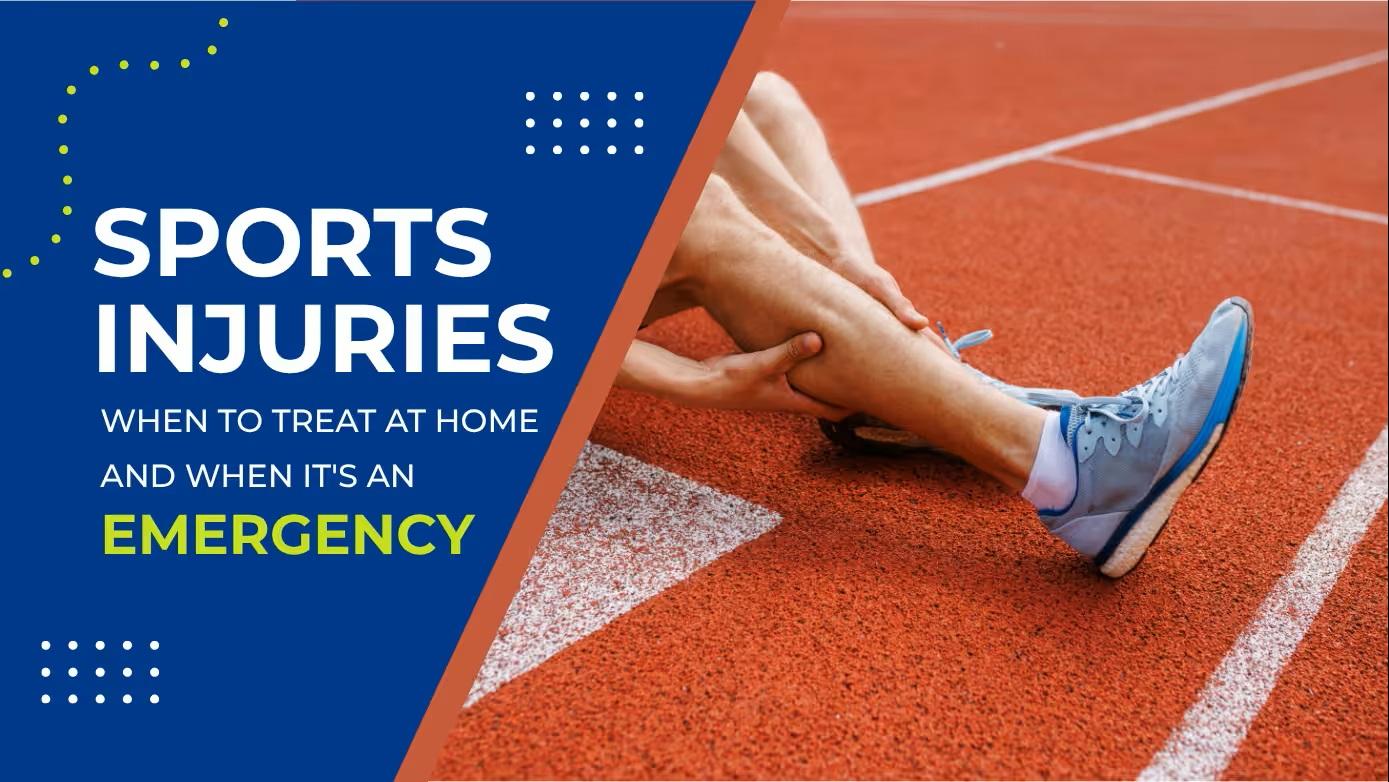
Most sports injuries are not emergencies. A rolled ankle, a sore hamstring, a bruise on the thigh. You ice it, rest a few days, and get back in the game.
But some sports injuries are a different story. At SignatureCare Emergency Center, our board-certified ER doctors see the serious end every weekend. The dislocated shoulder. The snapped wrist. The young athlete who took a hit to the head and cannot remember the play.
This page covers the most common sports injuries, how to tell an acute injury from a chronic one, and the warning signs that mean you need an emergency room visit now, not tomorrow, or Monday morning.
Quick answer: The most common sports injuries are sprains, strains, fractures, dislocations, and concussions. Most mild injuries heal with rest, ice, compression, and elevation. Go to the ER right away for a visible deformity, a bone through the skin, a head injury with confusion, numbness, a limb you cannot move, or bleeding that will not stop.
SkiptheWaitBook an Appointment Today
The Most Common Sports Injuries (and What They Feel Like)
Most sports injuries fall into a handful of buckets. Knowing which one you are dealing with helps you decide your next move. The list below covers the typical sports injuries we treat, from the minor to the serious.
| Injury | What it is | Where it hits most | Acute or chronic |
| Sprain | Stretched or torn ligament | Ankle, knee | Acute |
| Strain | Stretched or torn muscle or tendon | Hamstring, back | Both |
| Fracture | Broken bone | Wrist, ankle, collarbone | Acute |
| Dislocation | Joint forced out of place | Shoulder, finger | Acute |
| Concussion | Mild traumatic brain injury | Head | Acute |
| ACL or meniscus tear | Knee ligament or cartilage damage | Knee | Acute |
| Shin splints, tendinitis | Overuse inflammation | Shin, elbow, Achilles | Chronic |
In our experience, the knee, ankle, and shoulder take the most damage. Sprains and strains are the most common athletic injuries by a wide margin. Shoulder injuries from a fall or a tackle come close behind. The dangerous ones, like fractures, dislocations, and concussions, show up less often but cannot wait. That mix holds true for weekend warriors and high school stars alike.
Acute vs Chronic Sports Injuries: What's the Difference?
An acute sports injury happens suddenly, from a single hit, fall, or wrong move. Think a sprained ankle or a broken bone. A chronic injury builds slowly from overuse, like shin splints or tendinitis. Acute injuries often need same-day care. Chronic ones usually need rest and a plan with your regular doctor.
The difference matters because it changes what you do next. An acute injury with swelling, a pop, or a joint that looks wrong should be checked fast. A chronic ache that creeps in over weeks is rarely an emergency, but it should not be ignored either. Pushing through overuse pain is how a small problem turns into a season-ending one.
| Factor | Acute injury | Chronic injury |
| Cause | One hit, fall, or wrong move | Repeated stress over time |
| Onset | Sudden and sharp | Gradual and nagging |
| Examples | Sprain, fracture, dislocation | Shin splints, tendinitis |
| First move | Often same-day care | Rest and see your doctor |
Acute injuries are the ones that land in our lobby. Chronic injuries usually belong with your doctor or a sports medicine specialist. The exception is when a chronic injury suddenly gets much worse. A stress fracture that finally breaks, for example, becomes an acute emergency in seconds.
When a Sports Injury Is an Emergency (Go to the Emergency Room Now)
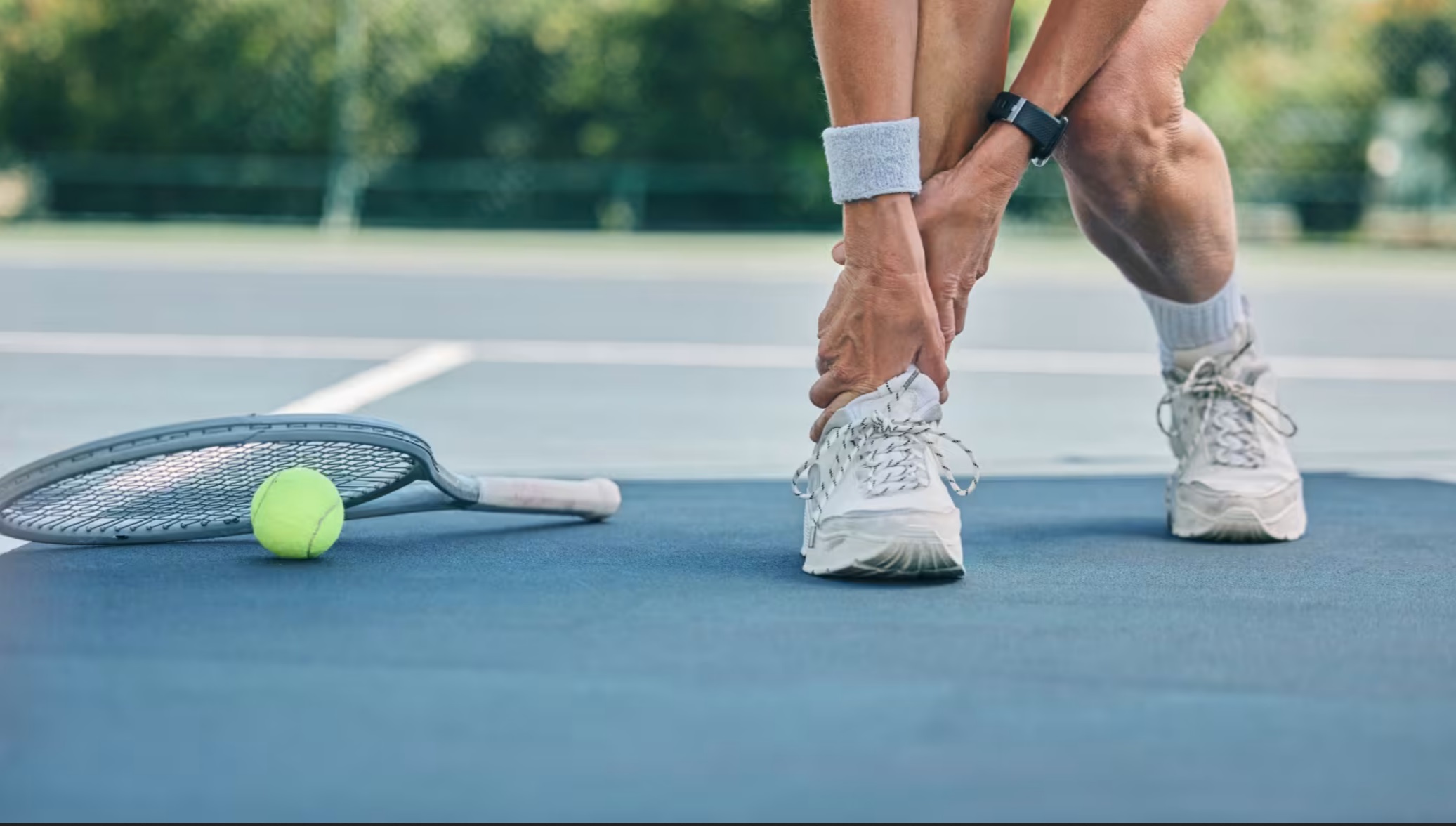
Go to the emergency room (ER) for a sports injury if you see an obvious deformity, a bone through the skin, or a joint you cannot move or stand on. Head injuries with confusion, vomiting, or a blackout need emergency care. So do numbness, a cold or pale limb, heavy bleeding, or a loud pop followed by severe pain.
Here is how we sort the truly urgent from the wait-and-see. Use it as a guide, not a diagnosis. When in doubt, get checked.
| Go to the ER now | Urgent care or home care is usually fine |
| Bone is deformed or through the skin | Mild swelling that improves with ice |
| Cannot move or bear weight on the joint | Sore muscle after a hard workout |
| Head hit with confusion, vomiting, or a blackout | Minor bruise with full range of motion |
| Numbness, or a cold or pale limb | A mild ankle roll you can still walk on |
| A loud pop with instant severe pain | A tweaked hamstring with no swelling |
| Bleeding that will not stop with pressure | Stiffness that eases over a day |
Here is something most articles will not tell you. A lot of the advice telling you to skip the ER is written by urgent care clinics, and urgent care cannot handle a real emergency. They do not run advanced imaging at 2 a.m., and they will send a serious injury straight to us anyway. For a clear emergency, that detour costs you time you do not have. Worst sports injuries, like a head bleed or a badly broken bone, are about speed.
Sports Injuries We Treat at SignatureCare 24/7
Every SignatureCare ER is open 24 hours, 365 days a year, with board-certified emergency doctors on-site. No appointment. Typical wait under 10 minutes. That matters most when a sports injury cannot wait for your doctor’s office, a clinic or an urgent care center to open.
What sets our freestanding ER apart from a sports injury clinic is what we have on-site, ready right now:
- CT scan and X-ray to spot fractures, head injuries, and internal damage in minutes
- Ultrasound for joints, soft tissue, and bleeding checks at the bedside
- Full lab services for fast, complete results during your visit
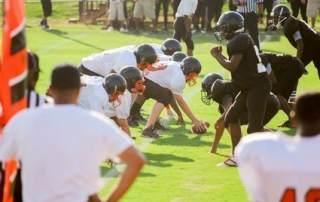
Every season brings its own pattern. We treat the cuts, breaks, and concussions behind common Texas football injuries, the wrist and shoulder strains from common CrossFit injuries, and the sprains and knee tears that come with playing soccer. Different sports, same emergency-ready care.
Our job is to stabilize the injury, image it, treat the pain, and rule out the dangerous stuff. Then we connect you with orthopedics or your doctor for follow-up. We are honest about scope. The ER handles the urgent first step, not long-term rehab.
How to Prevent Sports Injuries
The best way to prevent sports injuries is to warm up before you play, wear the right gear, and build up your intensity slowly. Stay hydrated, take rest days, and stop when something hurts. Most athletic injuries come from doing too much, too soon, or skipping the basics.
A few sports injury prevention habits go a long way:
- Warm up and stretch before every session, not just on game day
- Wear and replace protective gear that fits, from helmets to proper shoes
- Increase distance, weight, or speed gradually instead of all at once
- Drink water before, during, and after activity
- Build rest days into your week so tissue can recover
- Fix your form and cross-train so one muscle group is not overloaded
New to running or lifting? Ease in. Most overuse injuries we see start with a sudden jump in mileage or load. Our tips for new runners cover how to start without breaking down. For a deeper look at staying injury-free, the American Academy of Orthopaedic Surgeons keeps a plain-language guide to safe exercise.
Kids and Youth Sports Injuries: When Parents Should Worry
Kids are not small adults. Their bones are still growing, and they have soft spots called growth plates near the ends of long bones. An injury that would be a simple sprain in an adult can be a growth plate fracture in a child. That is why a swollen, painful joint in a young athlete deserves a closer look.
Do not wait and see if your child cannot bear weight, has a deformed joint, hit their head, or has pain that does not ease. Repetitive sports take a toll too. Youth baseball injuries from too many pitches are a classic overuse problem. When you are not sure, our ER doctors can check a child quickly and put your worries as a parent to rest.
Recovery After a Sports Injury
Recovery time depends on the injury. A mild sprain or strain heals in days to a few weeks. A fracture or torn ligament can take weeks to months and may need a specialist. The biggest mistake is rushing back before you are healed, which often leads to a second, worse injury.
Sports injury recovery usually has two phases. First, the urgent phase, where the ER stabilizes the injury, manages pain, and rules out danger. Second, the rehab phase, where orthopedics and physical therapy rebuild strength. SignatureCare Emergency Center handles the first phase fast and hands you off with a clear plan. We do not run a rehab program, and we will tell you straight when you need one.
Find Sports Injury Care Near You in Texas
SignatureCare Emergency Center operates freestanding 24-hour ERs across Texas. Each ER treats sports and athletic injuries, with imaging and labs on-site. Find the ER location nearest you when you need a sports injury doctor now.
North Texas: Frisco · Allen · Flower Mound · McKinney · Preston - Plano
Central Texas: College Station · Killeen
East Texas: Texarkana
Other Fitness and Sports Injury Articles
Want to go deeper on a specific sport or activity? These guides cover injuries, prevention, and staying in the game.
Running and general fitness
- Fort Bend County Running Trails: Avoid Running Injuries
- Tips for New Runners
- No Time to Go for a Jog? Just SKIP It
- 4 Places to Get Fit in Montrose
Team and contact sports
- Common Texas Football Injuries
- Famous NFL Football Injuries
- Avoid Injuries When Playing Soccer
- Basketball Injuries: They Happen Often
- Most Common Hockey Injuries
Youth and strength training
SkiptheWaitBook an Appointment Today
Frequently Asked Questions
What are the most common sports injuries?
The most common sports injuries are sprains, strains, fractures, dislocations, and concussions, with the knee, ankle, and shoulder hurt most often.
What's the difference between an acute and a chronic sports injury?
An acute injury happens suddenly from one hit or fall. A chronic injury builds slowly from overuse, like shin splints or tendinitis.
When should I go to the ER for a sports injury instead of urgent care?
Go to the ER for a deformed joint, a bone through skin, a head injury with confusion, numbness, heavy bleeding, or a limb you cannot move.
How do you treat a sports injury at home?
For mild injuries use RICE: rest, ice 10 to 20 minutes, compression, and elevation. See a doctor if pain or swelling does not improve.
How long does a sports injury take to heal?
Mild sprains and strains heal in days to a few weeks. Fractures and torn ligaments can take weeks to months and may need specialist care.
When should a child's sports injury be seen by a doctor?
See a doctor if a child cannot bear weight, has a swollen or deformed joint, hit their head, or has lingering pain near a growth plate.
-----------------------------------------------------------------------------

Dr. Adolfo Alvino, MD, is a board-certified emergency medicine physician based in the Midland-Odessa area in Texas and the Medical Director of SignatureCare Emergency Center in Odessa, TX. He graduated from the Albert Einstein College of Medicine of Yeshiva University in New York and has been in practice for over 10 years. Dr. Alvino specializes in emergency medicine.