Article written by Dr. Christopher L Huerta, MD.
When we think about digestive health, we usually focus on diet, nutrition, and routine wellness. But in the emergency room, we see digestive health from a different perspective: the failure point. We meet patients when a minor warning sign or a delayed evaluation turns a manageable stomach issue into a critical situation. From appendicitis to bleeding ulcers, sudden digestive complications require rapid, accurate diagnosis.
SignatureCare Emergency Center provides 24/7 emergency GI evaluation across Texas with zero wait times. If you or a loved one is experiencing severe abdominal symptoms, understanding the line between a routine stomach bug and a medical emergency can save a life.
This page covers what we see most often - and when your stomach pain isn’t something to wait out.
Digestive Health from the Emergency Room Perspective
Digestive health usually brings to mind diet, gut bacteria, and regular bowel function. Most of that work belongs to primary care or to a gastroenterologist, who manages chronic conditions and long-term care. The emergency room sees digestive health from a different vantage point - the failure point. We meet patients on the day a missed warning sign, a delayed visit, or an untreated condition tips a manageable problem into a true emergency.
On a given shift, a SignatureCare ER physician may treat appendicitis that should have been evaluated twelve hours earlier, a bleeding ulcer in a patient who chalked the warning signs up to stress, a gallbladder attack first mistaken for indigestion, or pancreatitis from years of unmanaged risk factors. The patterns repeat. What looks like a stomach bug at 9 p.m. can be a surgical emergency by 2 a.m. That is the perspective our physicians bring to the situation.
Our role is not to replace your gastroenterologist or your primary care doctor. It is to keep a digestive emergency from becoming a life-threatening one - and to help you recognize the line between symptoms you can manage at home and symptoms that need an ER visit.
When Abdominal Pain Needs Emergency Care
Go to the emergency room for sudden, severe abdominal pain, pain with fever and vomiting, pain in the lower right belly that worsens, blood in vomit or stool, a swollen, rigid abdomen, or abdominal pain after trauma. These signs can indicate appendicitis, bleeding, perforation, or obstruction - all requiring immediate care.
| Go to the ER NOW | Call your doctor or wait it out |
| Severe pain that comes on suddenly | Mild cramping that comes and goes |
| Pain with fever above 101°F | Heartburn after a big meal |
| Pain that worsens over hours, especially lower right side | Mild constipation responsive to diet or water |
| Blood in vomit or stool | Occasional mild bloating |
| Rigid, swollen abdomen | Mild diarrhea lasting under 24 hours |
| Pain after recent abdominal trauma | Indigestion responsive to over-the-counter meds |
| Pain with vomiting that won’t stop | Mild food sensitivity reactions |
| Inability to keep liquids down for over 24 hours |
When you aren’t sure, call our 24-hour emergency center. A SignatureCare ER nurse can help you decide whether you need the ER tonight or whether your regular doctor can handle it in the morning.
Digestive Emergencies We Treat at SignatureCare ER

Below are the GI emergencies SignatureCare ER physicians see most often, with a link to deeper information on each.
- Appendicitis - Lower right abdominal pain, fever, and nausea - appendicitis is one of the most common true GI emergencies and is time-critical. Learn more about our appendicitis emergency care.
- Severe abdominal pain - Sudden or worsening abdominal pain has many causes; the ER’s job is to rule out the dangerous ones quickly. See abdominal pain that needs medical attention.
- Bleeding ulcers - A peptic ulcer can perforate or bleed without warning; black or bloody stool is an emergency. Read about ulcer complications.
- Pediatric stomach virus complications - Most stomach bugs in kids resolve at home, but dehydration and dangerous warning signs warrant emergency evaluation. Read about when a pediatric stomach virus becomes serious.
- Liver and pancreatic emergencies - Severe right-upper-belly pain, jaundice, or pancreatitis symptoms require immediate workup. Know the liver disease warning signs.
- Stable GI bleed - We do not have blood products for severe GI bleeds, such as esophageal variceal bleeding, or for previous surgery for an AAA with an aortoduodenal fistula.)
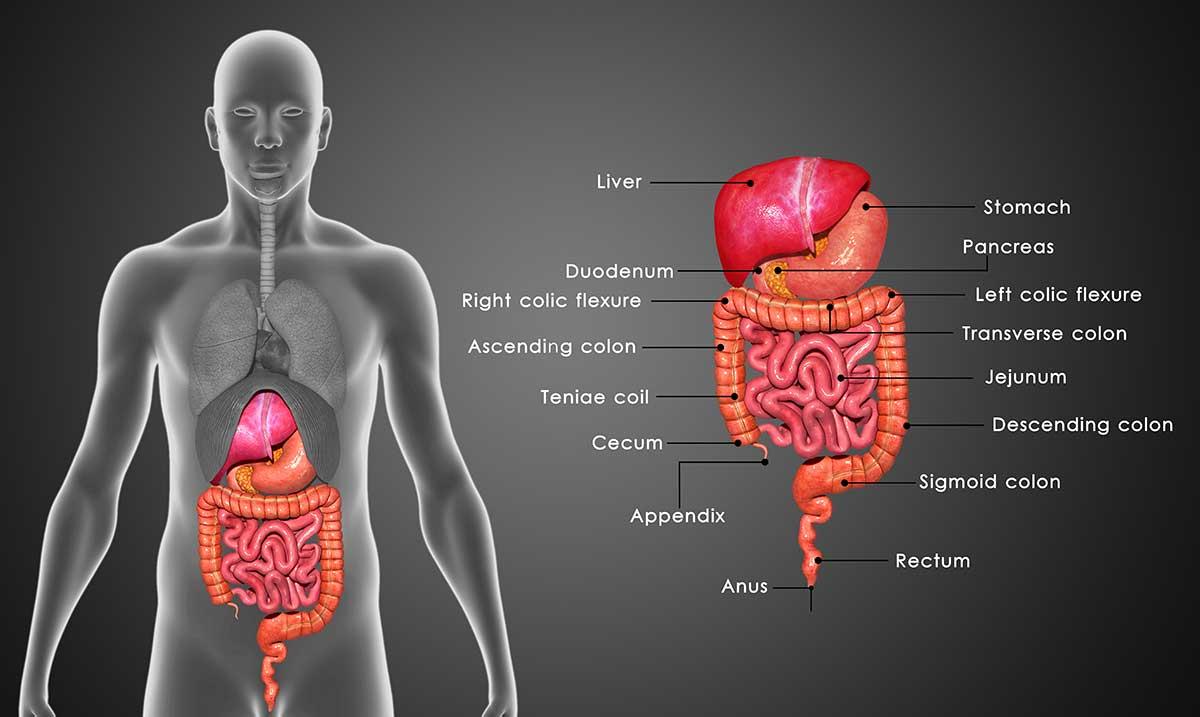
The common abdominal pains we evaluate in our emergency centers include kidney stones, gallbladder pathology, diverticulitis, appendicitis, bowel obstruction, and female pelvic pathology.
SkiptheWaitBook an Appointment Today
ER vs. Gastroenterologist vs. Primary Care - Who to Call When
ER: Use the ER for sudden, severe, or dangerous symptoms - bleeding, severe pain, signs of obstruction.
Your Gastroenterologist: Use a gastroenterologist for ongoing GI conditions like IBS, GERD, or chronic constipation.
Urgent Care or PCP: Use primary care for mild, unfamiliar, or non-urgent digestive concerns.
| Go to the ER | See a Gastroenterologist | Call Primary Care |
| Severe acute symptoms | Chronic GI conditions | Mild or new symptoms |
| Bleeding (vomit or stool) | IBS, IBD, and GERD management | Routine questions |
| Suspected appendicitis | Endoscopy or colonoscopy | First-line evaluation |
| Pediatric dehydration | Liver disease follow-up | Lifestyle and diet guidance |
| Pain not responding to OTC meds | Reflux management | Mild indigestion |
SignatureCare ER physicians collaborate with your Gastroenterologist and primary care doctor. We stabilize you in the moment and make sure you have a follow-up scheduled with your Gastroenterologist before you leave.
Digestive Emergency Diagnostics Available 24/7
- CT scan and X-ray - Multi-slice CT for rapid imaging of appendicitis, obstruction, perforation, and bleeding.
- Ultrasound - Bedside ultrasound for gallbladder, liver, and abdominal evaluation.
- Lab services on-site - Complete blood count, liver enzymes, pancreatic enzymes, and electrolyte panels with rapid turnaround.
SignatureCare Emergency Center ERs are equipped to diagnose digestive emergencies at the time of visit.
Find Emergency GI Care Near You in Texas
SignatureCare Emergency Center operates 24/7 freestanding ERs across Texas. Each location evaluates and treats digestive emergencies - no appointment needed. Board-certified ER physicians on-site.
North Texas: Frisco · Allen · Flower Mound · McKinney · Preston - Plano
Central Texas: College Station · Killeen
East Texas: Texarkana
Other Digestive Health Articles
Abdominal pain - what it means and when it’s serious
- Abdominal Pain - When Should You See a Doctor?
- What Is Abdominal Pain?
- The Different Types of Abdominal Pain
True digestive emergencies
Managing chronic digestive conditions
Liver, pancreas, and whole-body digestive health
- 8 Ways to Take Care of Your Liver and Avoid Liver Disease
- Drink Coffee for Better Liver Health - Reduced Liver Cancer Risk
- Diabetes and the Pancreas Connection
SkiptheWaitBook an Appointment Today
Digestive Health Emergency FAQs
When is abdominal pain a real emergency?
Severe sudden pain, pain with fever and vomiting, pain in the lower right belly that worsens, blood in vomit or stool, or a rigid, swollen abdomen are emergencies. Come to the ER right away.
How do I know if I have appendicitis?
Appendicitis typically starts as pain around the belly button that moves to the lower right side, accompanied by fever, nausea, and loss of appetite. The pain worsens with movement. Appendicitis is a true emergency - come to the ER immediately.
Should I go to the ER or a gastroenterologist?
The ER handles acute, severe, or dangerous digestive symptoms. A gastroenterologist handles chronic conditions, follow-up care, and procedures such as colonoscopy and endoscopy. We coordinate with your gastroenterologist after an emergency visit.
Is my child’s stomach virus an emergency?
Most stomach viruses in children resolve with rest and fluids. Come to the ER if your child can’t keep liquids down for 12 or more hours, has signs of dehydration, blood in vomit or stool, or severe abdominal pain.
What’s the difference between a peptic ulcer and a bleeding ulcer?
A peptic ulcer is a sore in the stomach or intestinal lining. A bleeding ulcer is a complication where the ulcer erodes into a blood vessel. Black or bloody stool, vomiting blood, or sudden severe pain signals a bleeding ulcer - an emergency.
Does SignatureCare have CT scan for abdominal evaluation?
Yes. All SignatureCare ERs have a multi-slice CT scan on-site for rapid imaging of appendicitis, obstruction, perforation, and other abdominal emergencies.
What insurance does SignatureCare ER accept for GI emergencies?
SignatureCare accepts most major insurance plans and Workers’ Compensation. We do not accept Medicaid or Tricare. Coverage is the same for digestive emergencies as for any ER visit.
Can dehydration from vomiting or diarrhea be an emergency?
Yes. Severe dehydration - especially in children, the elderly, or people with chronic conditions - requires emergency IV fluid treatment. Signs include extreme thirst, dark urine, dizziness, confusion, or inability to keep fluids down.
Further reading
For additional information on digestive health and GI conditions, see the American Gastroenterological Association.
-----------------------------------------------------------------------------

Dr. Christopher L Huerta, MD, is a board-certified emergency medicine specialist based in Midland, TX, and the Medical Director of SignatureCare Emergency Center in Midland, TX. He received his medical degree from Washington University in St. Louis School of Medicine and has been in practice for more than 40 years.