Having Abdominal Pain? It may be time to seek Emergency Room treatment
What is Abdominal Pain?
Abdominal pain, also known as a bellyache, is any pain you feel anywhere between your chest and pelvic areas. The pain may feel sharp, achy, dull, or it may feel like cramps. It could be classified as severe, acute, or extreme.

Our Emergency Room and Hospital Locations in Texas
The ER locations below are grouped by proximity. If appointment slots are not available at your preferred location, on your preferred date or time, please try the nearby location

College Station, TX
College Station, 77840
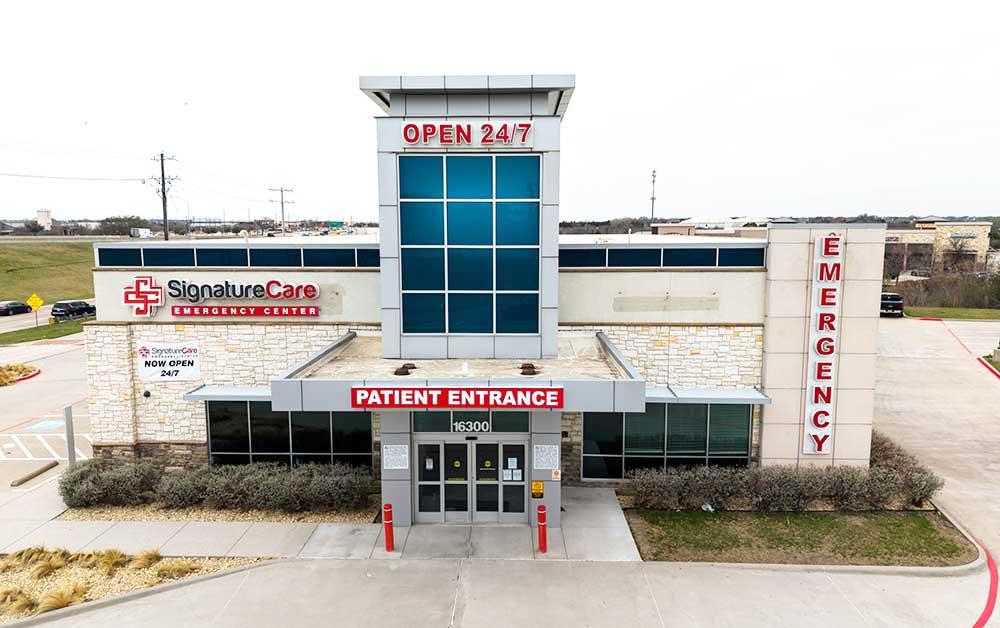





Note: If you need immediate medical attention, DO NOT set up an appointment. go to the nearest emergency room or dial 911 from your phone immediately.
Why Should You Choose SignatureCare Emergency Center and Hospital?
When You Arrive at our Emergency Room
Entrar
Una enfermera le recibe a los pocos minutos de su llegada.
Triaje rápido
Se toman sus signos vitales y se abordan sus inquietudes
ver a un medico
Médico de urgencias certificado a su lado. La tomografía computarizada, los rayos X o los análisis de laboratorio comienzan inmediatamente si es necesario.
Tratar y dar de alta
Plan claro, recetas enviadas a su farmacia y una llamada de seguimiento al día siguiente
When to go to the ER for Abdominal Pain
Not sure what to do if you have abdominal pain? Would you know when it is time to visit an emergency center or if your abdominal pain is an emergency? Some pain may go away without treatment, but there are instances when you are experiencing severe abdominal pain.
If you have the following abdominal pain symptoms, It is time to visit the closest emergency room.
- Fever greater than 101
- Nausea and vomiting
- Trouble breathing
- Blood in your stool
- Swelling in the area of pain
- Loss of appetite
- Weight loss
- Constipation
- Painful urination
- Pain that lasts more than 24 hours
Severe Abdominal Pain Diagnosis
Medical doctors, including emergency room physicians, diagnose pain using various tools and methods. Below are some of those tools and methods.
Abdominal X-ray: This procedure uses an X-ray machine to produce images of the intestines, spleen, stomach, and other organs in the abdominal cavity. It may identify an intestinal blockage, kidney stones, or other causes of your pain or nausea.
The procedure: Lying on a table or standing at the X-ray machine, the patient is imaged of the abdominal area.
Abdominal CT Scan: This scan is similar to an X-ray, but it uses multiple X-ray beams to create cross-sectional images of organs and tissues in the abdomen. These images will allow us to identify any swelling, masses, infections, or other issues that could be contributing to your pain.
The procedure: To receive these images, you will lie on a table that slides into the CT scanner.
Magnetic Resonance Cholangiopancreatography: MRCP helps identify gallstones through the use of magnetic resonance imaging. The scan can also provide information about the liver, pancreas, and bile ducts.
The procedure: lying on a table that will be moved into an MRI tunnel, where the equipment will gather images.
Abdominal ultrasound: Ultrasounds to help us check for liver disease, abdominal aortic aneurysms, and issues with other abdominal organs. These ultrasounds are often performed quickly and can give us immediate images that may help make a diagnosis.
The procedure: A small amount of gel is applied to the abdomen, and the abdomen is then rubbed with a transducer that sends images to a screen for us to view.