Pediatric Respiratory Infection? Time for Emergency Room Visit
What is a Pediatric Respiratory Infection?
A pediatric respiratory infection is an infection that is located in the upper or lower respiratory tract of an infant. The infection can cause a runny nose, nasal congestion, cough, scratchy throat, and irritability. Children are especially susceptible to respiratory infections because their immune systems are not fully developed and because they often do not practice good hygiene.

Our Emergency Room and Hospital Locations in Texas
The ER locations below are grouped by proximity. If appointment slots are not available at your preferred location, on your preferred date or time, please try the nearby location
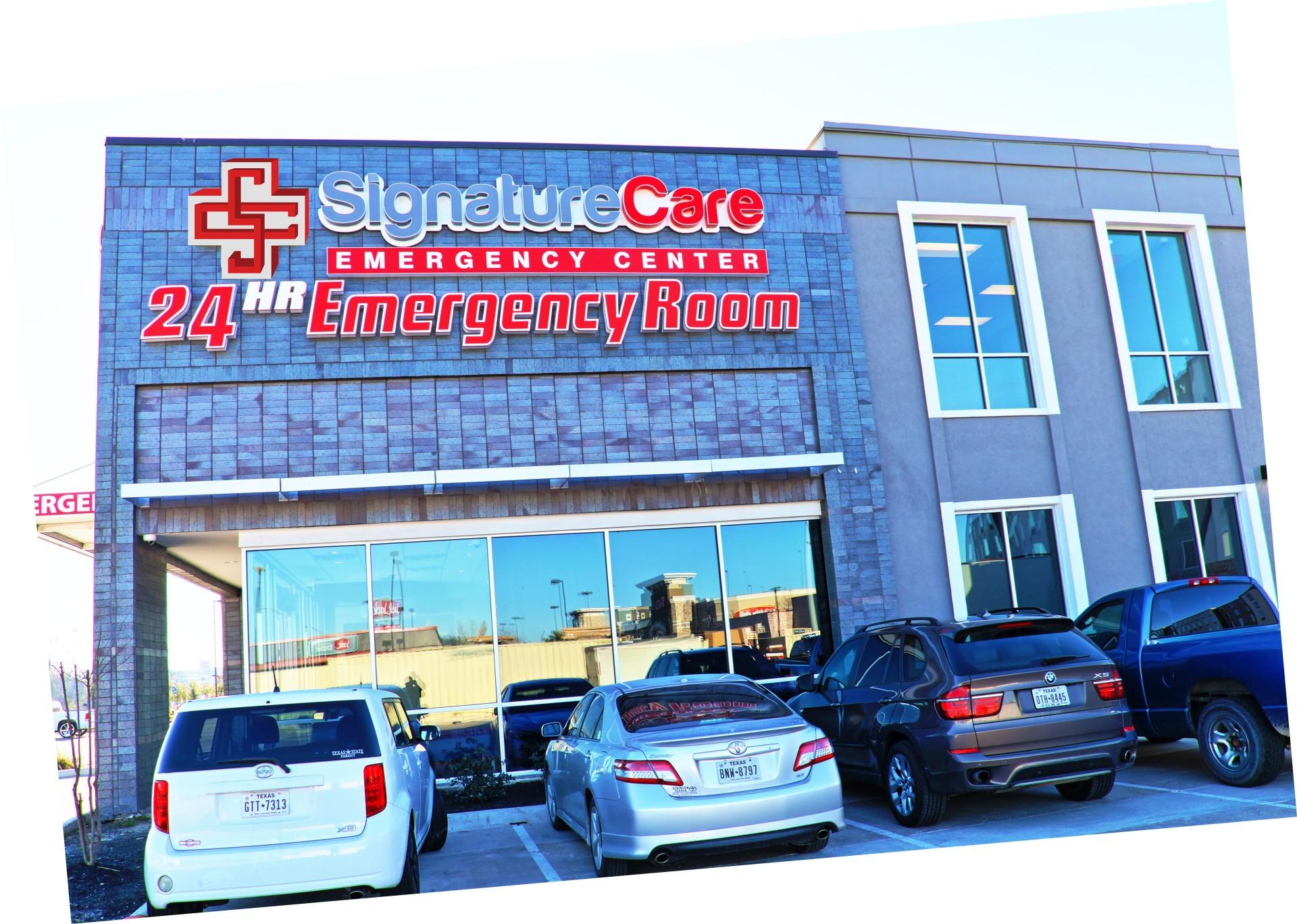
College Station, TX
College Station, 77840





Note: If you need immediate medical attention, DO NOT set up an appointment. go to the nearest emergency room or dial 911 from your phone immediately.
Why Should You Choose SignatureCare Emergency Center and Hospital?
When You Arrive at our Emergency Room
Entrar
Una enfermera le recibe a los pocos minutos de su llegada.
Triaje rápido
Se toman sus signos vitales y se abordan sus inquietudes
ver a un medico
Médico de urgencias certificado a su lado. La tomografía computarizada, los rayos X o los análisis de laboratorio comienzan inmediatamente si es necesario.
Tratar y dar de alta
Plan claro, recetas enviadas a su farmacia y una llamada de seguimiento al día siguiente
Common Causes of Pediatric Respiratory Infections
- Viruses
- Rhinovirus
- Respiratory Syncytial Virus (RSV)
- Influenza
- Parainfluenza
- Bacteria
1. Viruses
On average, children develop six respiratory infections a year that have been caused by viruses. There are several viruses that can cause respiratory infections.
2. Rhinovirus
Rhinoviruses are the typical cause behind the common cold. These viruses spread through contact and by breathing in viral agents. Colds caused by rhinoviruses may cause children to have a sore throat, cough, runny nose and muscle aches, as well as a minor fever.
3. Respiratory Syncytial Virus (RSV)
RSV also produces symptoms that are similar to the common cold, but it can cause severe complications in infants. It can cause coughing and sneezing, as well as wheezing in young children. Infants may be irritable and lethargic at the onset of the virus, and they may have trouble breathing. It can develop into bronchitis or pneumonia.
Board-certified emergency room physicians at SignatureCare Emergency Center can test and diagnose RSV as well as multiple other respiratory infections. In addition, if the child develops Bronchiolitis or Pneumonia, we can diagnose and provide treatment at our facilities.
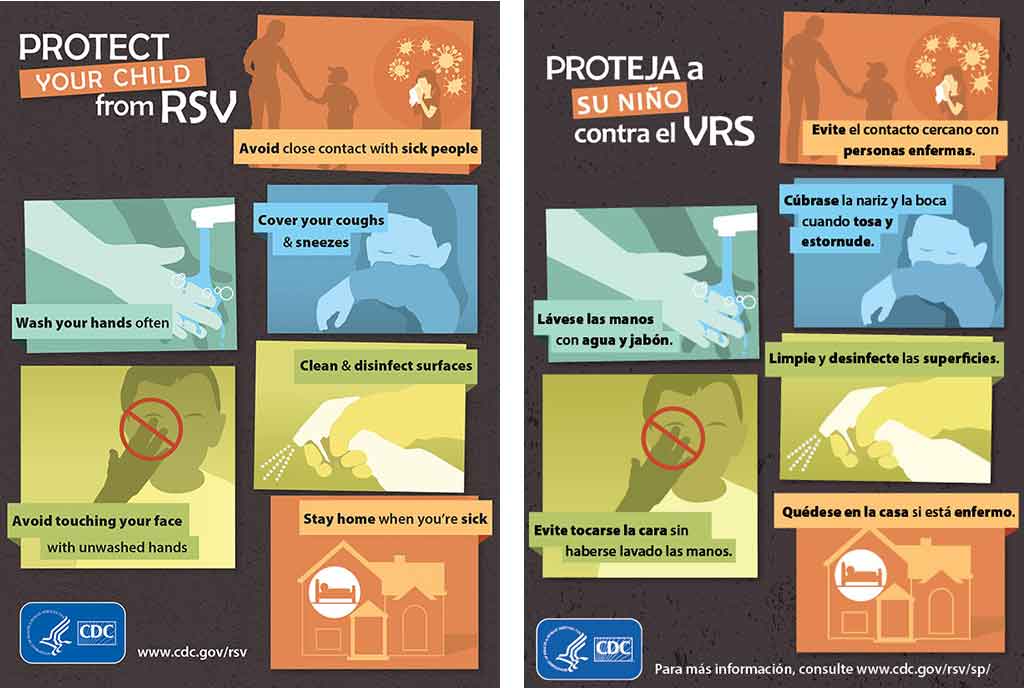
– Images courtesy of the Centers for Disease Control and Prevention (CDC)
4. Influenza
There are several types of influenza viruses, and they are very contagious. The flu can cause symptoms that are more severe than those associated with the common cold, including a high fever, baby breathing difficulty, chills, cough, nausea, ear pain, weakness and diarrhea. It can also develop into pneumonia, which is particularly dangerous in infants or children with weakened immune systems.
5. Parainfluenza
Parainfluenza viruses are often the cause of croup, which occurs when the windpipe or voice box becomes inflamed. These viruses can make breathing difficult, leading to an infant breathing emergency, and can cause pneumonia, bronchitis, and other lower respiratory tract infections. Symptoms include a barking cough, wheezing, hoarseness, difficulty breathing, and a runny nose.
6. Bacteria
A bacterial infection may occur if a viral infection progresses and moves into the lower respiratory tract. Bacterial infections may cause pneumonia or an infant breathing emergency, and can be severe enough to require hospitalization. Antibiotics are often used to treat these illnesses.
When to Call a Doctor for Pediatric Respiratory Infections
In many cases, your child’s immune system will overcome a viral respiratory infection on its own, but there are times when you will need to seek medical assistance for pediatric respiratory infections. If you believe this is a pediatric emergency or that a children's emergency room can help, SignatureCare Emergency Center is here for you. If your child has had a cold for over two weeks, you should call your doctor or visit a pediatric walk-in clinic near you. You should also make an appointment if your child has a high fever or is dehydrated, or visit a nearby pediatric ER or hospital near you as soon as you notice that he is wheezing or has a severe cough.
Call 911 Immediately When:
- Your child is struggling to breathe
- Your child’s lips or nails are turning blue
- Your child is breathing unusually fast
- Your child’s fever is above 102 degrees
- Your infant’s fever is over 100.4 degrees
It may seem as though your child is always suffering from a cough or runny nose, but you should monitor these to make sure that they don’t progress into a serious pediatric respiratory infection.
If you think that your child needs prompt medical attention for a respiratory infection, please visit one of our children's emergency rooms. Our ERs are open 24/7 and can treat various illnesses that affect children, including a child's broken bone emergency, pediatric seizure emergency, child head injury emergency, child fever emergency, and baby breathing problems emergencies.