Asthma Attack? Your Emergency Room Treatment Options
What is Asthma?
Asthma is a long-term respiratory condition that causes inflammation and narrowing of the airways, making it harder for air to move in and out of the lungs. This can lead to symptoms such as shortness of breath, wheezing, coughing, and chest tightness. Although asthma cannot be cured, it can be effectively controlled with proper medications, trigger management, and ongoing medical care.

Our Emergency Room and Hospital Locations in Texas
The ER locations below are grouped by proximity. If appointment slots are not available at your preferred location, on your preferred date or time, please try the nearby location
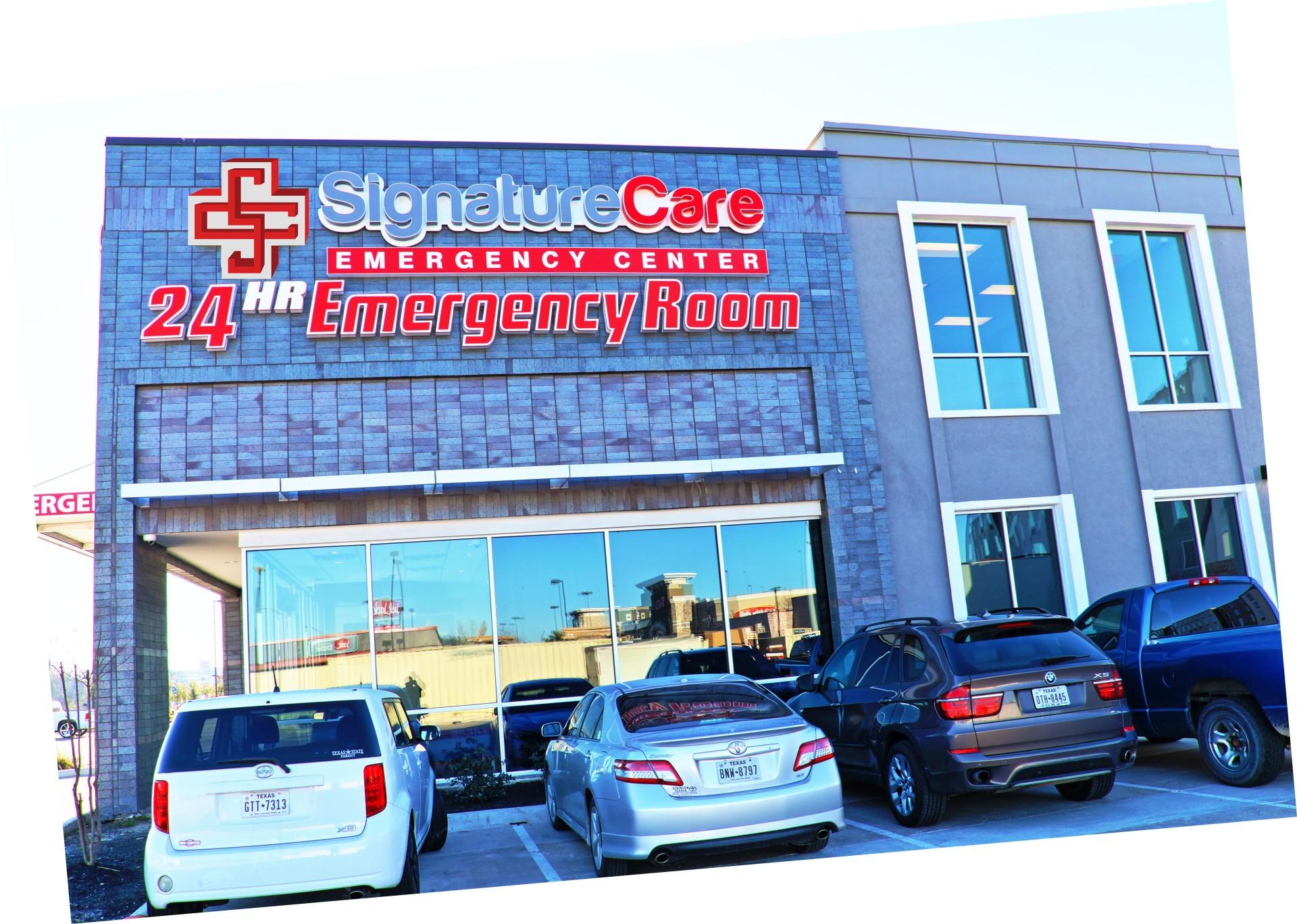
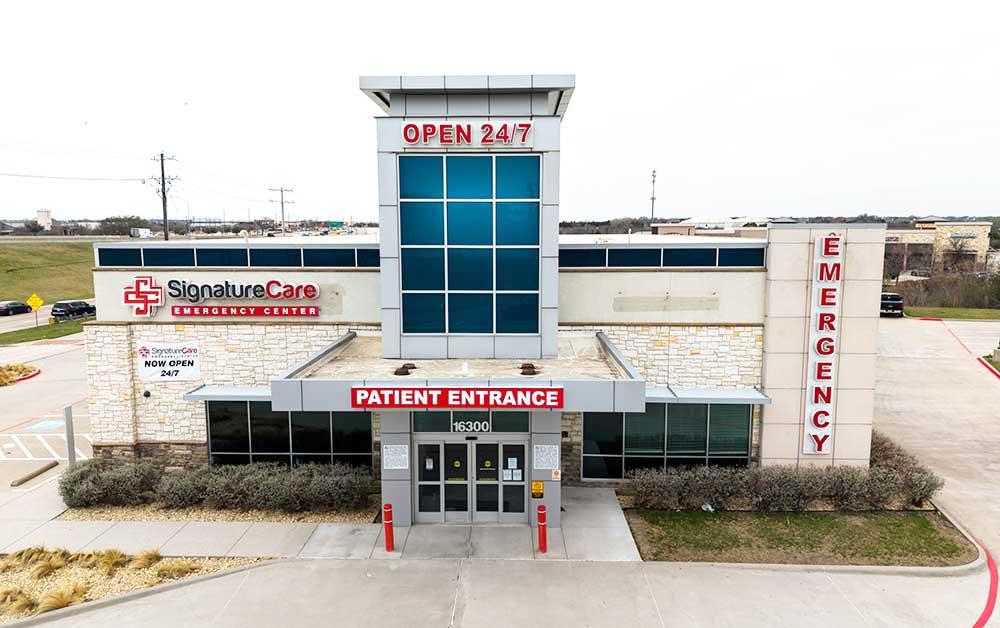
College Station, TX
College Station, 77840




Note: If you need immediate medical attention, DO NOT set up an appointment. go to the nearest emergency room or dial 911 from your phone immediately.
Why Should You Choose SignatureCare Emergency Center and Hospital?
When You Arrive at our Emergency Room
Entrar
Una enfermera le recibe a los pocos minutos de su llegada.
Triaje rápido
Se toman sus signos vitales y se abordan sus inquietudes
ver a un medico
Médico de urgencias certificado a su lado. La tomografía computarizada, los rayos X o los análisis de laboratorio comienzan inmediatamente si es necesario.
Tratar y dar de alta
Plan claro, recetas enviadas a su farmacia y una llamada de seguimiento al día siguiente
When to Go to Emergency Room (ER) for Asthma
If you are experiencing symptoms associated with Asthma, a chronic lung disease, you should go to your nearest emergency center (ER) for immediate help. If you are experiencing a bad flare-up or your medicine isn’t working as intended, then it is time to seek emergency room help.
Common Asthma Symptoms
People experience several symptoms when they have the disease or are having an asthma attack. These symptoms can be caused by a variety of factors. Asthma symptoms can manifest in many ways. Below are common signs of the disease.
- Coughing
- Wheezing
- Mucus Production
- Chest Tightening
Causes of Coughing and Wheezing
- Common Cold – The common cold can cause a person to a cough and wheeze as the virus travels to and infects the person’s sinuses and lungs
- Sinus Infection – Mucus produced in the infected sinuses can travel to a person’s throat and lungs that leads to coughing and wheezing
- Pneumonia – A serious viral or bacterial infection of the lungs can lead to fluid build-up and difficulty breathing as a person tries to cough up the mucus in his or her lungs
- Cold Air – Cold air can cause an asthmatic to experience temporary loss of breath or a “winded” feeling, as well as a dry throat and nose that induces coughing
- Scents and Odors – Many people with asthma are sensitive to strong smells like perfumes and flowers
- Smoke – Tobacco smoke or smoke from cooking, barbecues, campfires, and more induce coughing spells in many people with asthma
See Also: How Houston Humidity Can affect your Asthma
Causes of Mucus Production
- Aspiration – Inhaling foreign substances like water, dust, powder, pollen, or in the case of babies, meconium can lead to excessive mucus production
- Choking – Choking on food, medicine or beverages can people with the condition to experience mucus product that can lead to an asthma attack
- Allergies – Seasonal or chronic allergies often encourages excessive mucus to build in the throats, noses, and airways of people who have the disease
Causes of Chest Tightening
- Exercise – Running, jumping or even brisk walking can cause the chest to become tight and induce an attack
- Laughing –Chest tightness when they laugh or have bouts of giggling can cause an attack
- Menstruation – Some women report experiencing chest tightness when they have their menstruation accompanied by severe cramps are known to be causes of asthma symptoms
- Panic – Panic attacks or people who are stressed and fearful can experience any or all of these symptoms
- Injuries – An injury to the upper chest, ribs or back can cause an attack
- Roaches – Roach droppings and shed cockroach dander are known asthma triggers
- Medications – aspirin medications like ibuprofen and naproxen sodium cause asthma symptoms in people who are allergic or sensitive to aspirin.
Asthma Treatment Options
At SignatureCare Emergency Center, there are several methods that our ER doctors may use to treat your asthma symptoms including asthma in children. These include:
Asthma CPAP Treatment
We may use a CPAP machine to gently move air through your lungs. The machine, which features a mask and a motor, may help to open up your airways while providing you with the oxygen your body needs in order to function. In some cases, you may need to use a CPAP machine at home in order to help control your asthma.
Ventilator Treatment
If your condition is severe, we may put you on a ventilator so that we can improve your lung function. This treatment will require you to wear a mask as a machine pumps air into and out of your lungs.
Nebulizer Treatment
A nebulizer is a machine that is used to administer medication, and it is often helpful for people who need larger doses of medicine for their asthma symptoms. The nebulizer transforms liquid medication into a mist so that you can inhale it through a mask. In addition to placing you on a nebulizer during your visit, we may write a prescription so that you can purchase a nebulizer to take home with you for future asthma attacks.
If you are having asthma emergency, please visit the closest ER immediately. Our board-certified medical doctors and other emegency medical professionals can treat your symptoms so that you can breathe easily once again.
Our board-certified physicians will take care of you, within the comforts of our fully-stocked facility. Schedule an appointment with us. Having trouble breathing is considered a medical emergency and you should visit the ER immediately or call 911 right away.