Board-certified emergency room physician urges parents to check refrigerators, follow recall notices, and know the warning signs of foodborne illness as multiple Salmonella, Allergen, and Contamination recalls prompt renewed food safety warnings
HOUSTON, TX — August 24, 2026 — A wave of recent food recalls has put Texas families on alert, with multiple products pulled from shelves due to Salmonella contamination, undeclared allergens, and foreign material. This has prompted renewed concern about food safety, particularly for families with young children
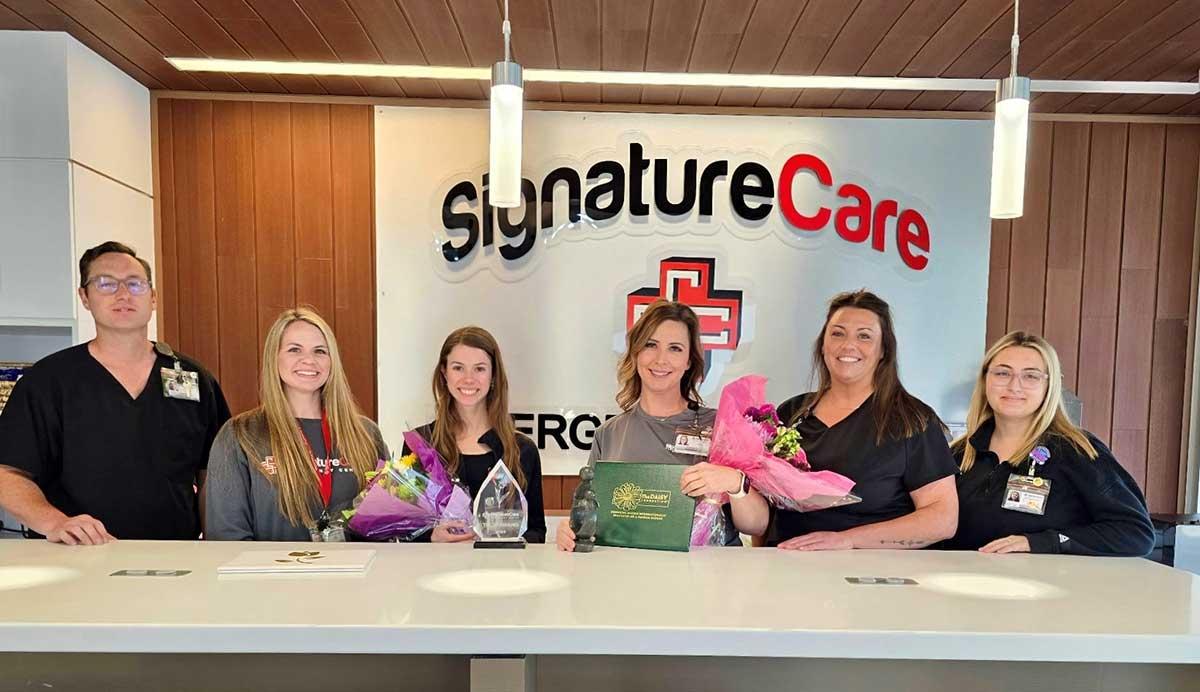
Dr. Christopher L Huerta, MD, a board-certified emergency physician and the Medical Director of SignatureCare Emergency Center in Midland, TX, is urging families, particularly those with young children, to stay informed and take precautions.
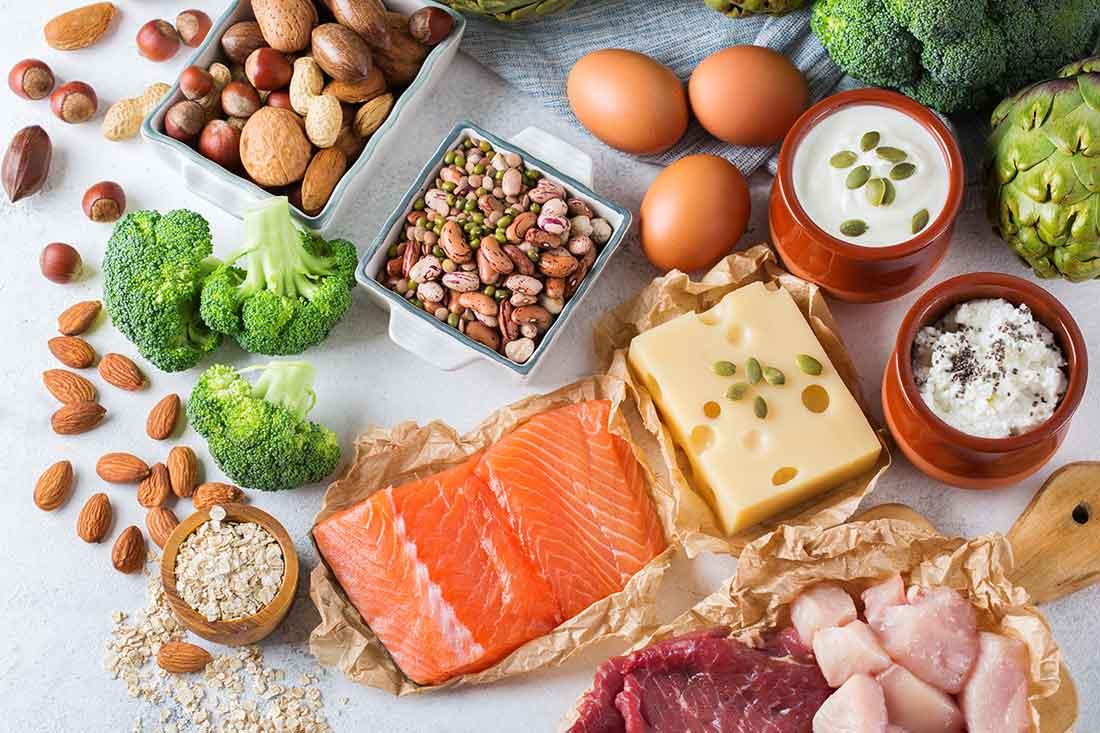
Among the most significant recent recalls is a Salmonella-related recall involving shell eggs. The recalled eggs were distributed to retailers and food-service customers in Texas, Oklahoma, and Louisiana.
The U.S. Food and Drug Administration (FDA) and Centers for Disease Control and Prevention (CDC) have linked the recalled eggs to a multistate Salmonella outbreak. They are also investigating a Salmonella outbreak linked to jalapeño peppers.
Other recalls have affected salsa, guacamole, and pico de gallo products; noodle and soup products; frozen desserts; and shortbread cookies due to undeclared wheat, soy, milk, egg, and tree nut allergens.
Year to date, the FDA has posted 300 food enforcement events, including 103 classified as the most serious (Class I) risk level, while USDA-FSIS has issued 24 meat and poultry recalls and alerts.
Other recalls have affected salsa, guacamole, and pico de gallo products; noodle and soup products; frozen desserts; and shortbread cookies due to undeclared wheat, soy, milk, egg, and tree nut allergens.
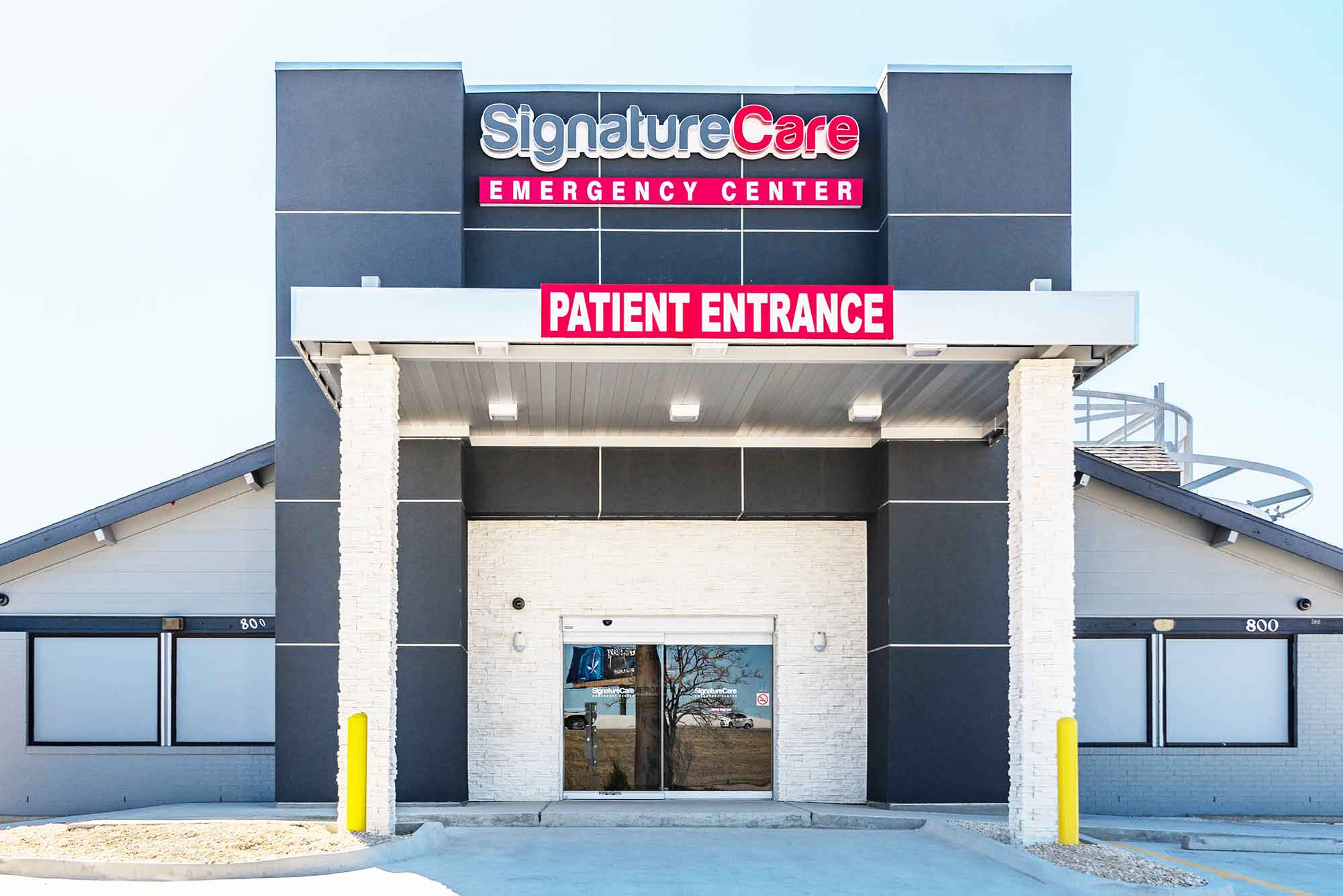
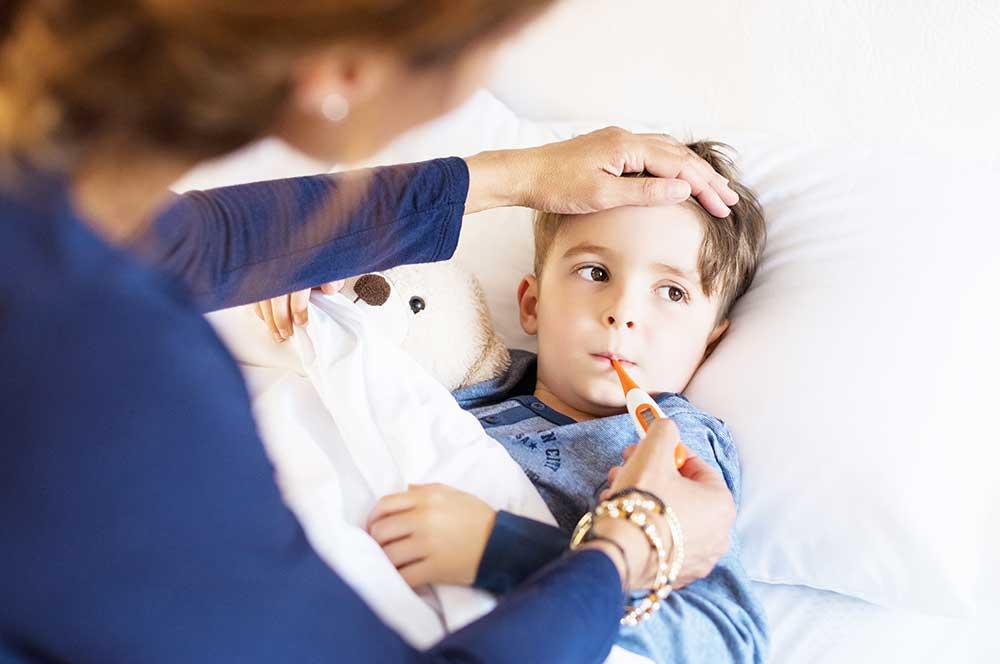
Dr. Huerta urged families with young children to monitor these food recalls and check their refrigerators to ensure the food they have is safe to eat.
"Children are more vulnerable to foodborne illness than adults, both because their immune systems are still developing and because symptoms like dehydration from vomiting or diarrhea can escalate quickly in a small child.”
"Parents should check recall lists regularly, especially for products commonly found in school lunches or snacks. Things like cheese, frozen fruit, and packaged snacks are frequent culprits. Parents may also want to avoid meat, dairy, and eggs, for now. In addition, all fruit and vegetables need to be carefully washed and sourced from a reliable source," he added.
Huerta urged Texas families not to wait to seek care if a child becomes seriously ill after eating a recalled product.
"If your child develops a high fever, persistent vomiting, bloody diarrhea, or signs of dehydration, don't wait it out at home. Bring them to an ER right away. Salmonella and E. coli infections can become serious quickly in young children, and early evaluation makes a real difference."
He recommends that families check recall lists regularly through FDA.gov and FSIS.usda.gov.
“The most important steps are to check the products in your home against the official recall information, immediately stop using anything that has been recalled, and clean surfaces and utensils that may have come into contact with the contaminated food.”
He urged Texans to read product labels carefully, paying close attention to lot numbers and best-by dates listed in recall notices, since contaminated food often looks, smells, and tastes completely normal.
“Any product matching an active recall should be discarded or returned, even if it appears unaffected,” he added.